Renting a motorbike on Phu Quoc (Phú Quốc) takes about ten minutes, and most shops will not ask to see a licence. Riding one legally is a separate question, and the answer changed on January 1, 2025: you need either a Vietnamese licence, or an International Driving Permit issued by a country that signed the 1968 Vienna Convention carried together with the licence from home. Ride without that and the fine on a scooter up to 125cc is 2,000,000 to 4,000,000 VND, and the bike is held at the police station until the paperwork is finished. It is not the ten-dollar slap this page described when it was last written.
Not riding? See getting around Phu Quoc for Grab, electric taxis and the free buses.

The licence you need in 2026
Two documents govern this. The Road Traffic Order and Safety Law 2024 (36/2024/QH15) replaced the old traffic law on January 1, 2025, and Decree 168/2024/ND-CP replaced the penalty schedule on the same day. Any Phu Quoc riding guide written before 2025, including the earlier version of this page, quotes fines that are wrong by a factor of ten or more.
Article 57(6) of the 2024 law lists what actually counts as a driving licence in Vietnam:
- A Vietnamese driving licence of the class that matches the bike.
- An International Driving Permit (IDP) issued by a party to the 1968 Vienna Convention on Road Traffic, carried together with your own national licence. Article 57(8)(a) defines the permit narrowly: issued by the competent authority of a Vienna Convention state, on the uniform template, valid for no more than three years.
- A foreign licence covered by a mutual recognition arrangement with Vietnam, or recognised under a treaty Vietnam is party to.
Your home licence on its own is not on that list, and never has been. Neither is a photo of it on your phone.
The engine limit is 125cc, not 150cc
This is the detail that catches out riders who did their homework on an old page. Article 57(1) sets the classes: A1 covers two-wheeled motorcycles up to 125 cm³ or up to 11 kW; class A is everything above that. The 175cc ceiling you will still hear quoted applies only to Vietnamese A1 licences issued before January 1, 2025.
The bikes shops push hardest on Phu Quoc now are 150cc and up — Honda PCX 160, Honda Vario 160, Yamaha NVX 155. Every one of those sits above the line. If your permit only covers small motorcycles, the shiny 160 the shop is wheeling out is the wrong bike for your paperwork, and the fine bracket jumps from 2,000,000–4,000,000 VND to 6,000,000–8,000,000 VND. Ask for the engine size before you ask for the price.
Motorbikes under 50cc are exempt from the licence requirement altogether — Article 56(4) leaves moped riders out of it, and Article 59(1)(a) sets the minimum age at 16. That is a loophole with no key: almost nothing under 50cc exists to rent here. Shops stock 110cc up to 160cc.
Vienna 1968, not Geneva 1949
Vietnam recognises IDPs issued under the 1968 Vienna Convention, which it joined on August 20, 2014. IDPs issued under the 1949 Geneva Convention are not recognised, and plenty of countries still issue that version. Your permit booklet names the convention it was issued under. Read the cover before you fly, not after you land.
The list of parties is kept by the treaty’s depositary and changes as countries join, so we do not keep a copy of it here. Check yours against the official register: UN Treaty Collection, chapter XI-B-19.
Canada and the United States are not parties to the 1968 convention. A Canadian or American IDP is not a recognised licence in Vietnam. If that is your passport, your legal options are a Vietnamese licence or not riding. Not riding is a real option here, and it is covered in the Grab and xe om section below.
Three documents, not one
Article 56(1) of the 2024 law requires a rider to carry the licence documents plus the vehicle’s registration certificate, plus the certificate of compulsory civil liability insurance. Each of those has its own fine. The most common expensive mistake among visitors is the simplest: bringing the IDP and leaving the national licence in the hotel safe. That is not a technicality. The decree writes it out as its own offence.
What it costs to get this wrong
All from Decree 168/2024/ND-CP, in force January 1, 2025:
- No valid licence, motorcycle up to 125 cm³ / 11 kW — 2,000,000 to 4,000,000 VND. Article 18(5). Point (b) of that clause covers holding a Vienna Convention IDP but not carrying the matching national licence.
- No valid licence, motorcycle over 125 cm³ / 11 kW — 6,000,000 to 8,000,000 VND. Article 18(7), with the same IDP-without-licence trap at point (c).
- Not carrying the vehicle registration certificate — 2,000,000 to 3,000,000 VND. Article 14(2)(a).
- No valid compulsory third-party insurance certificate — 200,000 to 300,000 VND. Article 18(2)(b).
- No helmet, or a helmet with the strap not properly fastened — 400,000 to 600,000 VND, counted separately for rider and passenger. Article 7(2)(h) and (i).
- An owner handing a bike to someone not entitled to ride it — 8,000,000 to 10,000,000 VND for an individual, 16,000,000 to 20,000,000 for a business. Article 32(10). That one is aimed at the rental shop rather than at you, which makes it the most useful line in the decree for a visitor.
The bike is impounded, not confiscated. Article 48(1)(i) lists the licence offences above as grounds for temporary custody of the vehicle; confiscation is reserved for stunt and weaving offences under Article 7(11). Helmet offences appear on neither list. Nobody takes your bike over a helmet, whatever you have read.
Vietnamese licences now carry 12 points, and violations subtract from them (Article 58 of 36/2024/QH15). A visitor riding on a foreign permit has no points to lose; the equivalent sanction is suspension of the right to drive, and Article 57(8)(c) caps that at the length of your permitted stay in Vietnam. In plain terms: one serious violation can end the riding part of your holiday on day two.
One more figure worth knowing before anyone quotes you a number at the roadside. A penalty issued without a written record, meaning the on-the-spot decision, is lawful only up to 500,000 VND for an individual, under Article 56 of the Law on Handling of Administrative Violations as amended by Law 88/2025/QH15, in force July 1, 2025. Every licence and alcohol fine on this page starts at 2,000,000 VND, which means it is a paperwork event by law, not a cash-in-hand one.
Rules and fines verified August 11, 2026 against Decree 168/2024/ND-CP. Vietnam raised traffic penalties sharply in January 2025 — if this page and a rental shop disagree, the law wins.
One more decree is about to land. 238/2026/ND-CP takes effect August 15, 2026 and amends 168/2024. We checked every figure above against it, and none of them change.
What to do before you ride, instead of after
- Get the IDP at home, and get the 1968 version. It is issued by your own country’s authority, which means it is not something you can arrange from a rental shop on the island.
- Carry both documents on you. The permit alone is its own fine bracket.
- Ask the shop for the registration certificate before money changes hands. Riding without it is 2,000,000 to 3,000,000 VND out of your pocket, not theirs.
- Ask to see the compulsory insurance certificate and look at the expiry date on it.
- Use the shop’s own exposure. Since January 1, 2025, an owner who hands a bike to a rider who is not entitled to ride it faces 8,000,000 to 10,000,000 VND, more than any fine you would pay. The old version of this page told you the shop carried no risk and it was all on you. That stopped being true in 2025. A shop that wants to keep trading has a reason to produce the papers when you ask.
If you are stopped, stay calm and be polite; that part has not changed. The reliable ways to get stopped in the first place are no helmet, no turn signals, and riding at night without lights.
Watch: the practical test for a Vietnamese licence
If you are staying long enough that a Vietnamese licence makes more sense than an IDP, the practical course is the part people worry about. This walkthrough was filmed on the island.
Insurance is the part that actually costs money
Three different things get called insurance here, and only one of them will matter if you come off the bike.
Compulsory civil liability insurance belongs to the motorbike, not to you. The law requires the certificate to be with the bike, and riding without a valid one is 200,000 to 300,000 VND under Article 18(2)(b). It covers harm you do to other people. It does not cover your own hospital bill or the bike.
The rental bike itself is usually not insured. If you drop it, you pay for the repair or the replacement, and the shop sets the number. This is why the photographs below matter more than they sound.
Your travel policy is the one that decides whether a broken collarbone on Phu Quoc costs you a taxi fare or a medical evacuation. Most travel policies exclude accidents that happen while you are riding without a licence valid in the country you are riding in, and many exclude motorcycles above a stated engine size or riding without a helmet. That is contract wording, though, not Vietnamese law — it differs policy to policy, and anyone telling you flatly that your cover is void is quoting a marketing page rather than your certificate. Open the exclusions section of your own policy, find the words “motorcycle” and “licence”, and photograph that page.
Two government sources are worth reading on this, because they say the same thing from opposite ends. The UK Foreign Office tells British travellers they need both the 1968 IDP and their UK licence with them while driving in Vietnam, and to make sure their travel insurance covers the activity. Canada’s travel advice tells Canadians to have proper insurance and a valid licence, then goes further and advises against riding a motorcycle in Vietnam at all — which is a reasonable position for a country whose IDP is not recognised here.
Renting a bike
The transaction itself is easy to the point of carelessness, so the useful part of this section is the five minutes before you hand over the money.
Where to get one
Motorbikes are available almost everywhere: hotels and resorts, dedicated shops, and delivery. Delivery is the real change since this page was last written. Most operators now bring the bike to airport arrivals, your hotel, or the ferry port rather than waiting for you to walk in. There is still no rental counter inside the terminal at Phu Quoc airport. Delivery is convenient and costs you the one thing that matters most: you cannot pick your bike out of the line, and you cannot test-ride three of them.
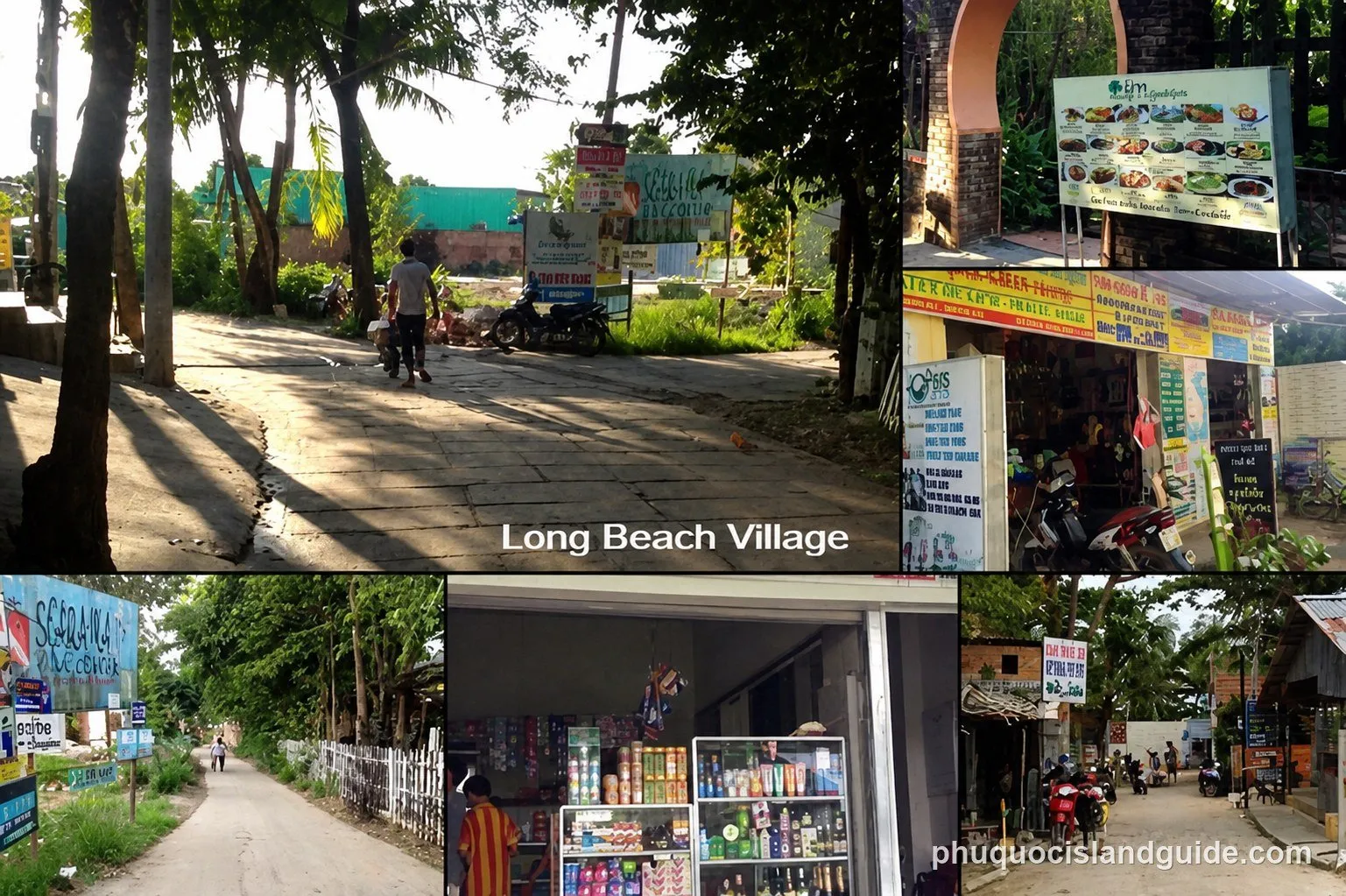
The highest concentration of walk-in shops is still Long Beach Village, the backpacker strip at Bai Truong (Bãi Trường), about ten minutes north of the airport.
Well-reviewed rental shops
We dropped the shop names this page used to print, because we could no longer verify they were trading. These are open and among the best-reviewed rental businesses on Google Maps in October 2026. All of them deliver; book on WhatsApp.
- Scooter and Motorbike Rental Airport Phu Quoc (Tinh Nguyen) — near the airport, 5.0 from 756 reviews. Reviewers mention pick-up and drop-off at airport arrivals.
- Motorbike Rental Phu Quoc 24/7 — 5.0 from 471. Delivery to hotels across the island, and a quick response if a bike breaks down.
- Anh Vu Motorbike Rental — 91/2B Tran Hung Dao, Duong Dong, 4.9 from 331.
- Hong Phat Motorbike Rental — An Thoi, 4.9 from 224; convenient if you stay in the south.
A five-star rating is no substitute for the checks below — the condition of the individual bike is what matters.
What it costs
Nobody publishes an official rate for this, so treat every figure you read online, including the ones this page used to carry, as somebody’s marketing. What holds up:
- A semi-automatic is the cheapest thing on any lot, and it uses less fuel.
- An automatic costs meaningfully more per day, but nowhere near double.
- Day rates on Phu Quoc are lower now than the numbers this page quoted from 2020, not higher. Delivery operators competing over airport arrivals pushed them down. The wet low season pushes them down further; the peak dry season and Tet push them back up.
- Anything over three days is a negotiation. Ask while they are quoting you, not after you have paid.
As a guide, reviewers of the shops above paid 130,000–150,000 VND a day for a 125cc automatic scooter in 2026, and around 200,000 VND for 24 hours for a bigger scooter. Most said the shop asked for no deposit and did not keep their passport, and that delivery to the hotel or airport was free.
Before you commit, get a quote from two places, your hotel and one shop, then ask the same four questions at both: how many hours a “day” is, what the charge is per hour if you are late back, whether two helmets and two rain ponchos and fuel are included, and what the shop does if the bike dies at the far end of the island. The last answer tells you most about who you are dealing with.
Rental prices: reviews of the shops above on Google Maps, 2026 (checked October 12, 2026). Rental rates are not published anywhere official and move with the season — expect to negotiate, and check the current rate with two shops before you commit.
What to check before you take the keys
- Settle what “a day” means. Most shops now quote a 24-hour day and charge by the hour if you are late; older shops still count 12 hours and expect the bike back the same evening. Get it agreed before you pay, especially if you want the bike for a sunrise somewhere.
- Basic helmets are provided, most often visor-less and not full-faced. Pick through the pile rather than taking the one handed to you, and check that the strap actually fastens. A loose strap is the same 400,000 to 600,000 VND as no helmet at all.
- Photograph everything. Every panel, every scratch and dent, the mirrors, and the speedometer if it works. Then take a short video of the bike with the shop in the background. Point out the damage you found while you are still standing there.
- Take the contact details. A business card, and a photo of the shopfront.
- Test ride it in the lane outside. Squeeze both brakes hard, listen for wobble and rattles, and try the horn, which you will use more here than at home. Switch bikes if anything feels wrong.
- There is normally no contract to sign. You pay the money, choose your helmet, and you are ready to ride. That also means nothing is written down about damage, which is the whole reason for the photographs.
- Find the nearest petrol station before you leave. There is usually just enough fuel in the tank to reach it and no more. Stations are all over the island now, but they thin out in the north.
If a rental shop later claims you caused damage that was already there, that is the most common motorbike dispute on the island and we cover it on the scams and safety page.
The passport question
Some shops ask for your passport, some only ask where you are staying. Do not hand over the original. Offer a photocopy or a cash deposit instead, and keep the passport with you or in the hotel safe — you may need the original that same day for anything official.
Vietnamese consumer reporting gives the same advice from the business side: a rental shop is entitled to check that you are legally resident (passport, visa, temporary residence card) and then hand the documents back, with a certified copy staying behind if a copy is needed. The earlier version of this page said shops “legally cannot withhold a passport”. We could not find a provision that says that, so treat it as strong practical advice rather than a rule you can quote at anyone.
In practice, the smaller shops on the side streets of Long Beach Village have always been easier about a photocopy than the storefronts on Tran Hung Dao (Trần Hưng Đạo), the main tourist road.
If you would rather not ride
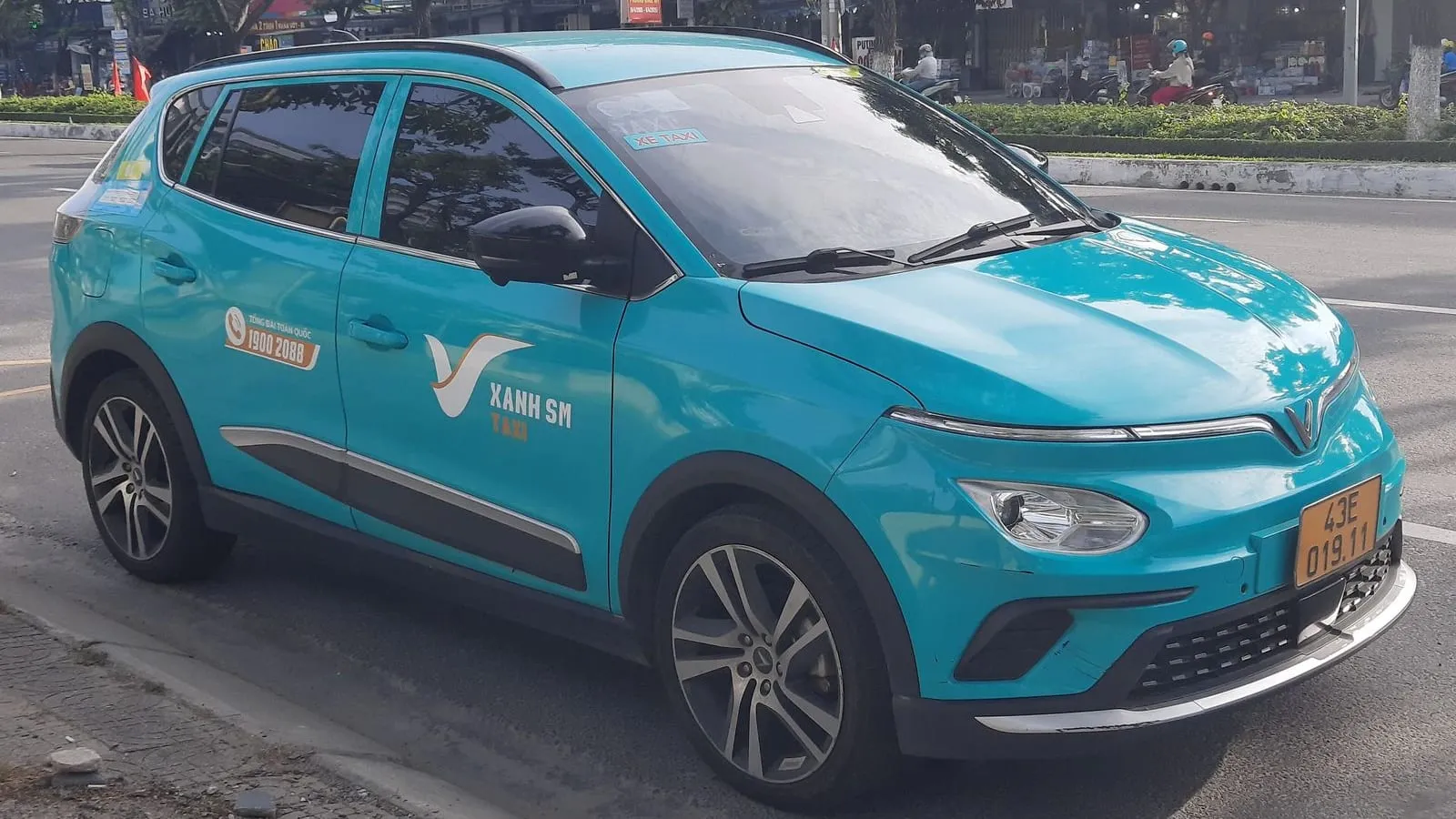
Riding here is not compulsory, and the alternative got much better. GrabBike and GrabCar both work on Phu Quoc, the app shows the fare before you accept it, and there is nothing to negotiate. Grab also runs a fixed-price route service between the airport and Duong Dong (Dương Đông). Driver density is the catch: plenty around the airport, central Duong Dong and the Long Beach strip, thin to non-existent out at Bai Thom or Ganh Dau. Book your return leg before you are stranded admiring a view.
Xe om (xe ôm), the motorbike taxis, still work where the app does not, and outside the tourist areas they are often the only thing moving. Agree the price before you get on, not at the destination. Being driven instead of riding is also the one option that leaves your travel insurance with nothing to argue about.
Riding on Phu Quoc
The island is bigger than it looks on a hotel map — you can ride all day and still not see the whole coast. The riding is the easy part. The road surface, the helmet rule, the zero alcohol limit and the real speed limits are where visitors get caught out. Plan your loops with our Phu Quoc maps.
The roads
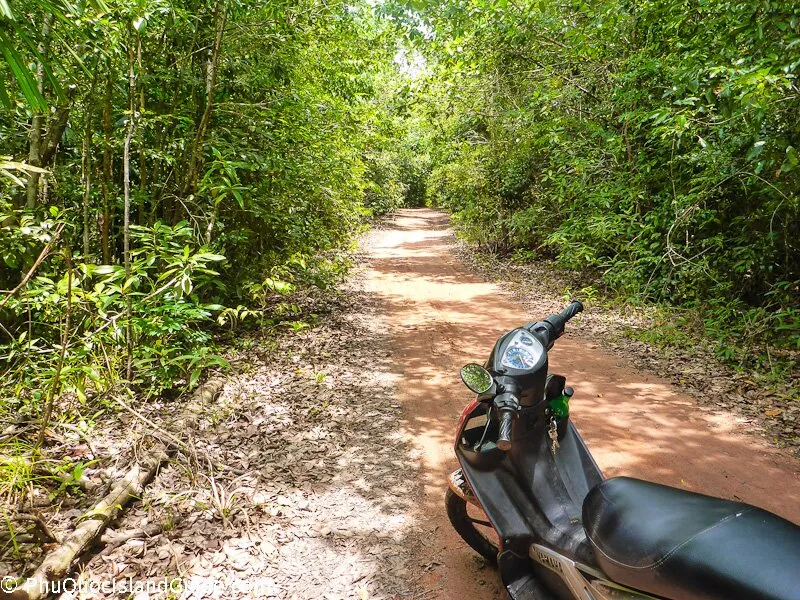
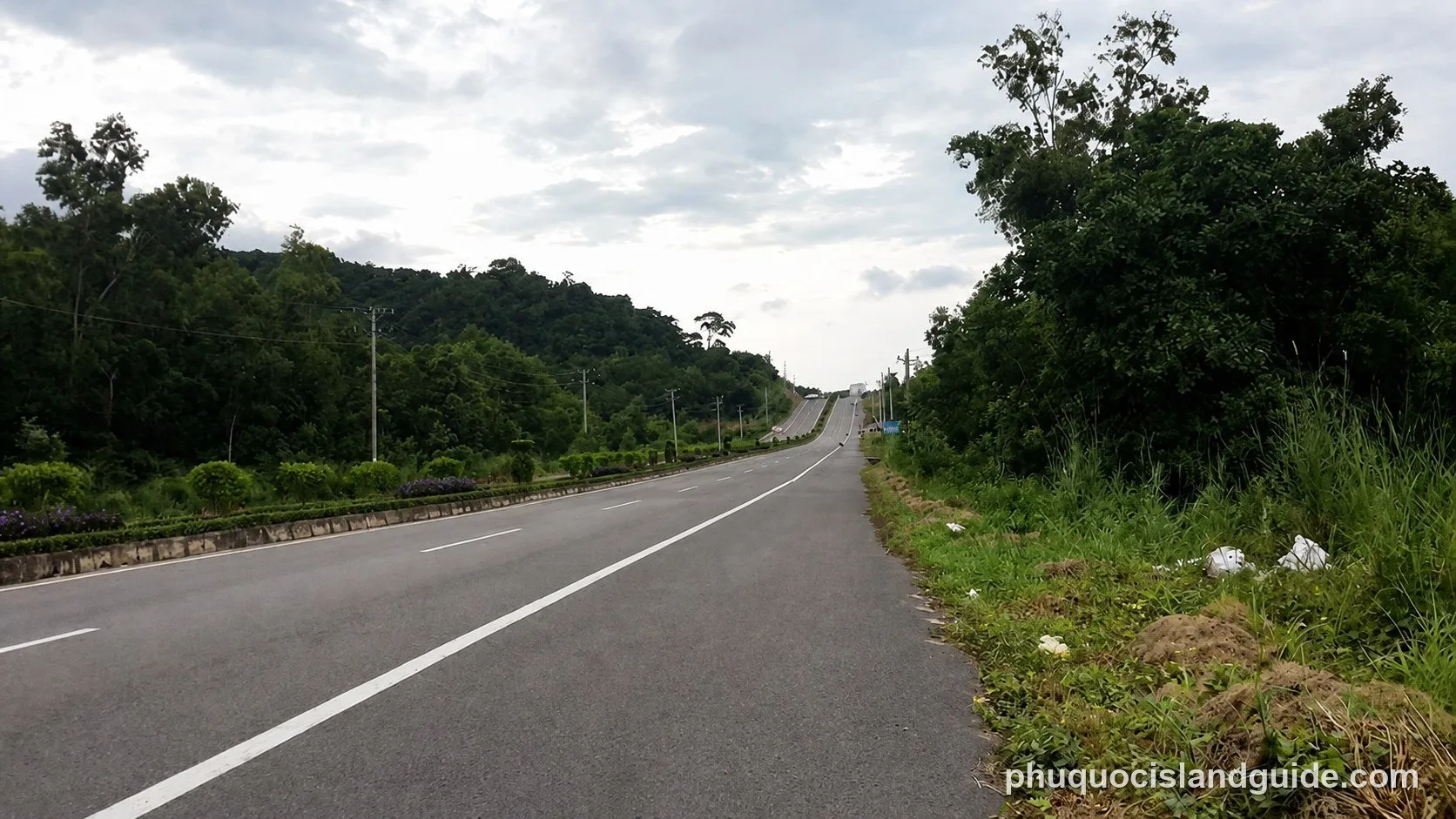
Most of the island is asphalt now, and you can ride the loop comfortably without touching dirt. What is left of the red laterite — Suoi Cai (Suối Cái) Road out to the Ganh Dau trail, the side road into Rach Vem (Rạch Vẽm) — is fine in the dry season and close to impossible in the wet, when it turns to grease and fills its potholes with water so you cannot see how deep they are.
Three things worth knowing before you set off. Construction and dump trucks use the main north-south road as a working route, and they do not move over. Beach entrances silt up with loose sand, which is where most low-speed drops happen. Brake before the sand, not in it. And dogs sleep on warm asphalt at dusk right where you would like to be riding.
Press play and watch around the National Park
The clip runs the road through the national park, which is a fair preview of the surface and the traffic in the middle of the island.
Helmets
Helmets are mandatory for rider and passenger, and the fine is 400,000 to 600,000 VND each, under Article 7(2)(h) and (i) of Decree 168/2024/ND-CP. Note what the wording covers: a helmet worn with the strap not properly fastened counts as no helmet. The exemptions in the decree are narrow: a patient being carried for emergency treatment, children under six, escorted detainees.
The helmets that come with a rental are thin half-shells with no visor. They satisfy the law and not much else. If you are riding for a week, buying a better one costs less than one fine, and the visor matters more than you expect once you are behind a truck on a dry dirt road.
Alcohol: the limit is zero
Vietnam has no legal drinking allowance for riders. Any alcohol in blood or breath is an offence. Article 7 of Decree 168/2024/ND-CP, for motorcycles:
- Up to 50 mg per 100 ml of blood, or up to 0.25 mg per litre of breath — 2,000,000 to 3,000,000 VND, and 4 licence points. Article 7(6)(a) and 7(13)(b).
- Over 50 up to 80 mg per 100 ml, or over 0.25 up to 0.4 mg per litre — 6,000,000 to 8,000,000 VND, and 10 points. Article 7(8)(b) and 7(13)(d).
- Over 80 mg per 100 ml, or over 0.4 mg per litre — 8,000,000 to 10,000,000 VND, and the licence suspended for 22 to 24 months. Article 7(9)(d) and 7(12)(c).
- Refusing the breath test — the same as the top band, 8,000,000 to 10,000,000 VND and 22 to 24 months. Article 7(9)(đ).
All three bands also carry impoundment of the bike under Article 48(1)(b). The point deductions apply to Vietnamese licences; on a foreign permit the equivalent is suspension of your right to drive for the rest of your stay. Do the arithmetic before you order: one large beer with dinner at the night market puts most people into the first band, so the cheapest drink on the island can turn into a 2,000,000 VND ride home plus a bike you have to reclaim. Roadside breath testing is routine across Vietnam, and evenings near the eating and drinking strips are the obvious place for it.
Speed limits
The “do not ride over 40 km/h” line you will find on older Phu Quoc pages, this one included, is not the motorcycle limit. It is the limit for mopeds under 50cc, set by Article 7 of Circular 38/2024/TT-BGTVT, in force January 1, 2025. For a motorcycle, the same circular sets:
- In a built-up area — 60 km/h on a divided road or a one-way road with two or more lanes; 50 km/h on a two-way road or a single-lane one-way road. Article 6(1).
- Outside built-up areas — 70 km/h and 60 km/h on the same distinction. Article 6(2).
Speeding fines under Decree 168/2024/ND-CP Article 7 run 400,000 to 600,000 VND for 5 to under 10 km/h over, 800,000 to 1,000,000 VND for 10 to 20 over, and 6,000,000 to 8,000,000 VND plus 4 points for more than 20 over.
Forty is still a good number on Phu Quoc, just not as a law. It is the speed at which the sand, the dogs, the trucks and the tourist on the wrong side of the road are all survivable. Use your indicators, ride on the right, and do not film yourself while riding, which is how visitors here crash. If you have never ridden a motorbike in your home country, Phu Quoc is not the place to learn.
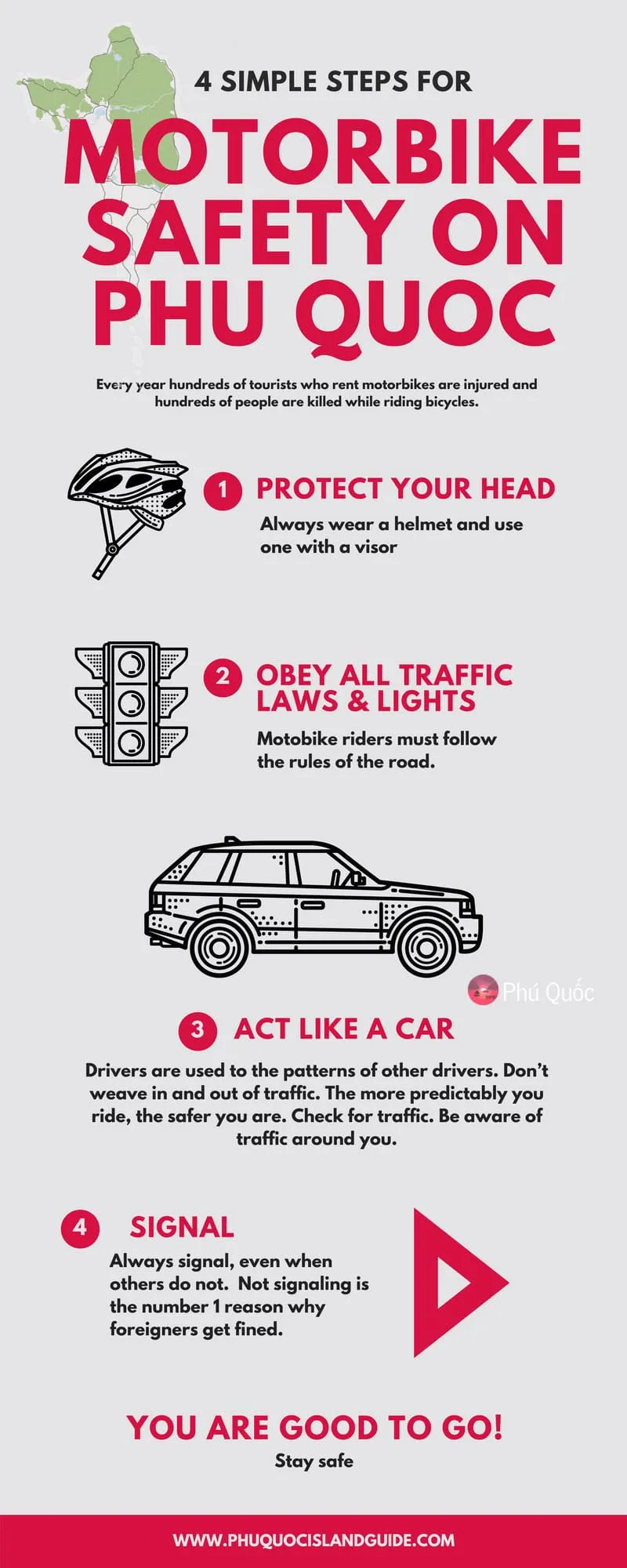
Safety, in one picture
The short version of everything above, for the pillion passenger who is not going to read this page.
Rides worth doing
Four rides that justify the paperwork. Fuel up in Duong Dong or at Cua Can (Cửa Cạn) before the northern ones. The stations thin out past there, and they do not exist at all on the dirt.
Duong Dong to Bai Thom (Bãi Thơm), up the east side. Paved the whole way, forest on both sides through the densest part of the national park, and very little traffic once you are clear of town. If you only do one ride on the island, do this one.
North on DT45 to Ganh Dau (Gành Dầu). Straightforward highway riding past the Cua Can bridge, with petrol stations at the commune’s southern edge, the last easy fuel before the northwest corner. From Ganh Dau a wide red dirt side road runs east to Rach Vem and the shallows where the starfish sit. Dry season only, unless you enjoy pushing.
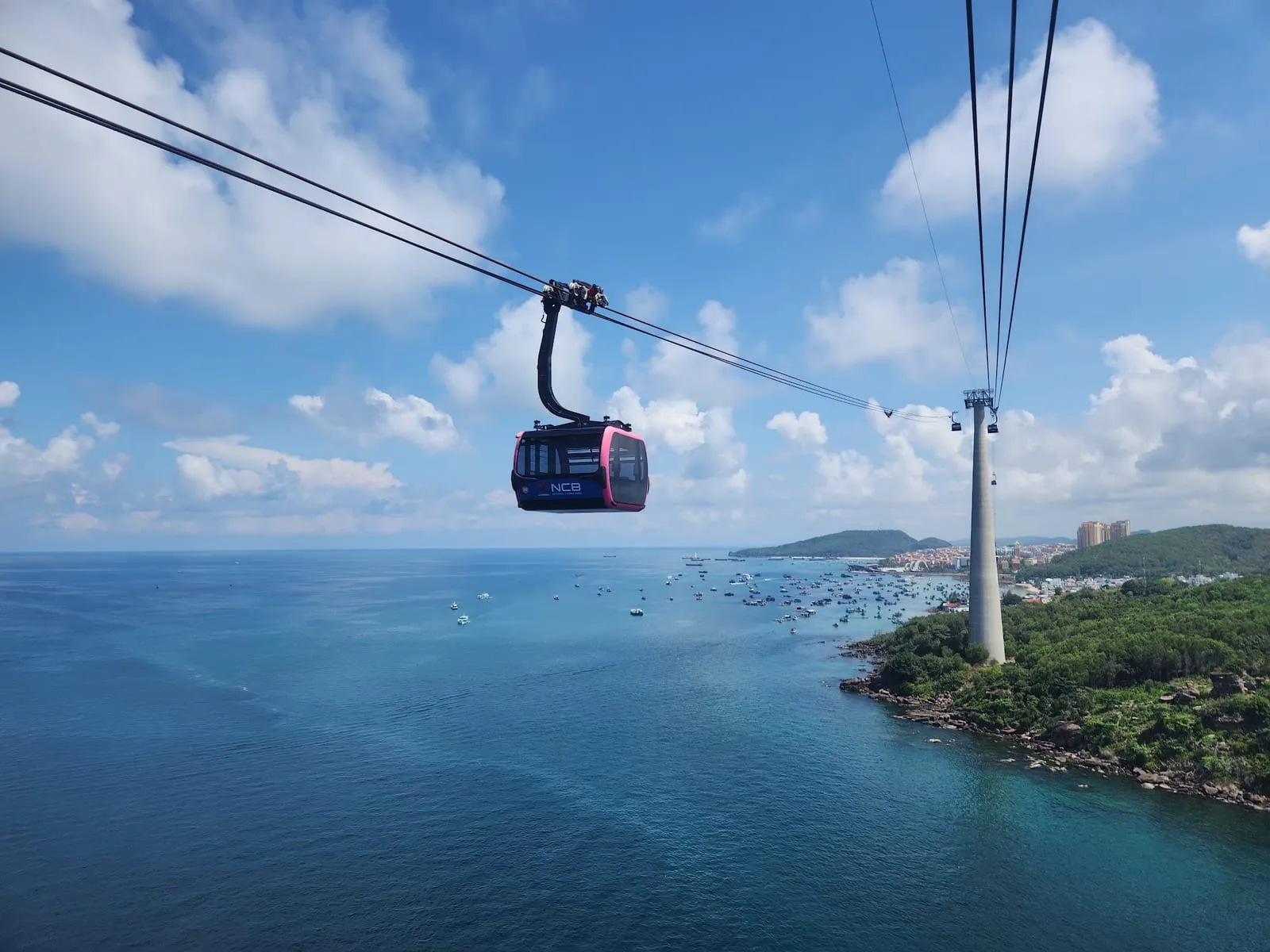
South to An Thoi (An Thới). The busiest run on the island and the least peaceful: trucks, coaches and cable-car traffic. Worth it for Sao Beach (Bãi Sao) and Khem Beach (Bãi Khem) on the way, and the harbour at An Thoi at the end. Go early, come back before dark.
The Cua Can and Ong Lang (Ông Lang) loop. Short, and the best of it is the shortcut the locals use: straight across the old airstrip north of the river instead of following the road around it. Ends at the resorts and rock pools of Ong Lang.
Bringing a motorbike to Phu Quoc
Nearly everyone flies in and rents here; that is the sane option, and the routes and airlines are on the Phu Quoc airport page. If you are riding your own bike down through the Mekong Delta, the last leg is a boat either way. Two mainland ports serve the island: Rach Gia (Rạch Giá) and Ha Tien (Hà Tiên). Both routes now land at Bai Vong (Bãi Vòng) on the east coast, which has become the island’s main terminal. Da Chong (Đá Chồng) in the northeast and Vinh Dam (Vịnh Đầm) in the south both took ferries in the past and we could not confirm either still does — the ferry page has the current state of all three.
Schedules, operators and passenger fares live on one page so the site cannot contradict itself: Phu Quoc ferry schedules and fares. What that page does not cover, because it only matters to riders:
- The bike is a separate ticket, and no fast-boat operator publishes what it costs. Superdong’s own page for the Rach Gia route lists passenger fares and nothing at all for motorbikes. Every quote you will find online for a fast boat comes from a ticket agent, which is why there is no number here. The slow car ferry is different — there is a published rate card covering bikes and vehicles, and the ferry page carries it along with who published it. Get a fast-boat bike fare quoted before you commit to a sailing.
- Fast passenger boats carry few bikes, if any; the car ferries carry them as a matter of routine. If you are bringing a bike, book the bike, not just the seat.
- Turn up earlier than a foot passenger would. The bike has to be handled and loaded, and on the fast boats the space for it is the first thing to be gone.