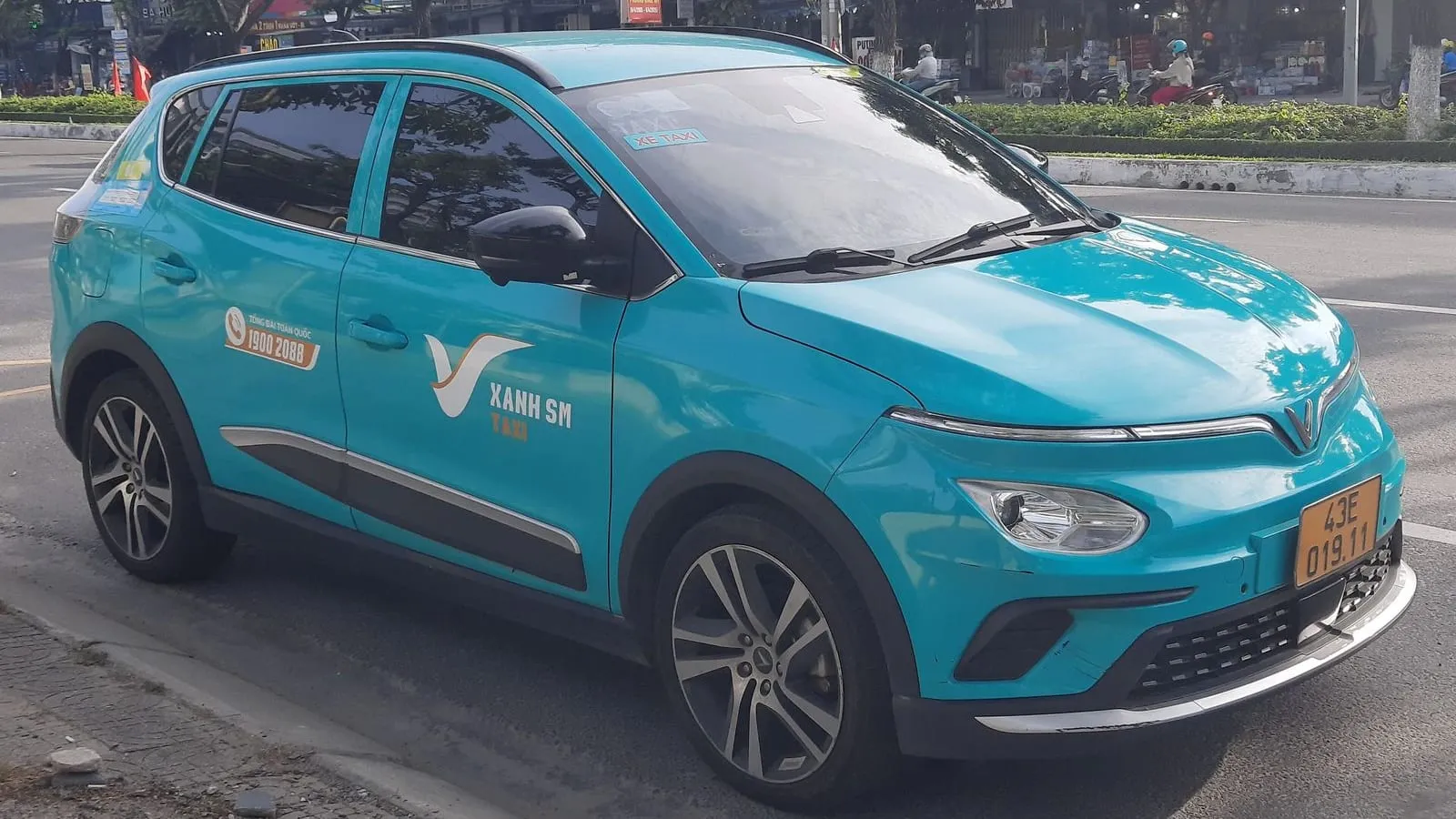
Vietnam’s currency is the dong (VND), and on Phu Quoc you will use it for almost everything. Resorts, theme parks and most restaurants in the tourist areas take cards; markets, street food, small seafood places and beach vendors want cash. ATMs are easy to find in Duong Dong, on Long Beach and in An Thoi, but most charge foreign cards a fee and limit how much you can take out at once. This page covers what you need to know.
The dong
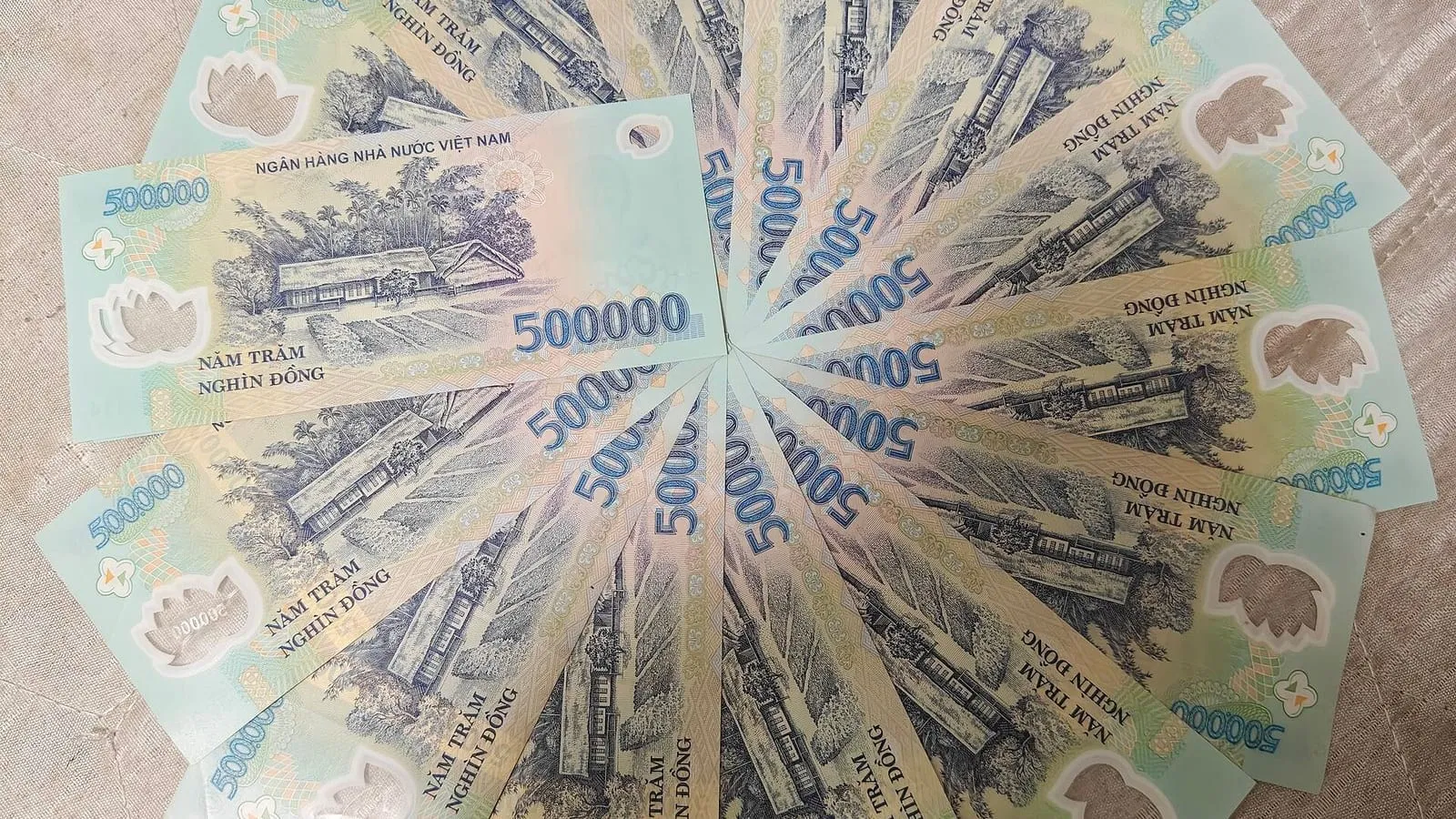
- Rate: about 26,000 dong to the US dollar, 28,300 to the euro (Vietcombank, 15 October 2026). The zeros are the hard part: a 500,000-dong note is worth about US$19.
- Notes: polymer notes from 10,000 to 500,000 dong, and small paper notes from 100 to 5,000. Coins exist but you will rarely see them. The 20,000 (blue) and 500,000 (turquoise) notes look alike — check before you hand one over.
- Prices in dollars: under Vietnamese law, shops, restaurants and hotels must price and charge in dong; hotels and tourism businesses may only show a dollar equivalent on their websites (Circular 32/2013). You will still see dollar prices on tour flyers, but pay in dong where you can.
ATMs
- Fees and limits. Most Vietnamese banks charge foreign cards a fee of around 50,000 dong per withdrawal, or a percentage, and limit each withdrawal to between 2 and 5 million dong. Travellers in 2026 reported that VPBank ATMs charged no fee and allowed up to 10 million dong at a time; TPBank, once free, now charges a percentage. Banks do not publish these fees for foreign cards, so check the screen before you confirm — and your own bank’s fees on top.
- Choose “charge in VND” if the ATM or a card machine offers to convert into your home currency; the conversion rate is usually worse.
- At the airport, there are ATMs in the terminal, but a guide updated in May 2026 found only one before security, with a 3 million dong limit — take out what you need in town. See Phu Quoc airport.
- In town, the main banks — Vietcombank, VietinBank, VPBank, ACB and others — have branches and ATMs on and around Nguyen Trung Truc and Hung Vuong Streets in Duong Dong, and there are ATMs along Tran Hung Dao Street on Long Beach and in An Thoi.
Changing money
- Exchange only at banks or licensed exchange agents. The State Bank of Vietnam advises buying and selling foreign cash only at banks or agents with its exchange licence, and warns that counterfeit foreign notes are circulating (July 2026).
- Unlicensed exchange is fined. Since February 2026, changing money with an individual or an unlicensed business is punished with a warning for amounts under US$1,000, and fines from 10 million dong above that (Tuổi Trẻ News, December 2025). A gold shop that changes money needs the same licence; if in doubt, use a bank.
- US dollars and euros are the easiest currencies to change.
- Watch for fake dollars. In December 2024 police on Phu Quoc arrested three foreigners for spending fake US$100 notes in shops and restaurants (Tuổi Trẻ News) — another reason to deal in dong.
Cards, Grab and QR payments
- Cards: Visa and Mastercard are widely accepted at resorts, the theme parks, supermarkets and the larger restaurants. Travel guides report that some smaller places add 2–3% for card payments; ask first.
- Grab adds a 4% fee when you pay with a card issued abroad, plus VAT on the fee (Grab, July 2026). Paying the driver in cash avoids it. See getting around.
- QR payments: Vietnamese shops display VietQR codes, and visitors from Thailand, Laos, Cambodia, Singapore, South Korea and China can now scan them with their home banking apps or with Alipay and WeChat Pay (Thị trường Tài chính Tiền tệ, September 2026). Sun World parks and Sun Group hotels on the island accept them too (VietnamPlus, July 2026). There is no link yet for European, American or Australian apps.
Tipping, service charges and VAT
- Tipping is not expected in Vietnam the way it is in the US, but it is appreciated in tourist areas: round up a taxi fare, leave small change at a restaurant, or tip a good guide, driver or spa therapist directly. Grab has a tip button in the app.
- VAT is 8% on most goods and services until 31 December 2026, then due to return to 10% (The Leader). Upmarket hotels and restaurants often quote prices with “++”, which means service charge and VAT are added to the bill — check the menu.
Notes for Indian travellers
- Rupees: Vietcombank, the largest bank for foreign exchange, did not list a cash rate for Indian rupees in October 2026, so do not count on changing them. Bring US dollars, or use a card.
- UPI: not yet usable in Vietnam. The Indian and Vietnamese payment networks signed agreements in May 2026 to link their QR systems, but no launch date had been announced in October 2026.
- Cards: international Visa and Mastercard cards work; check with your bank about foreign transaction fees before you travel. More for Indian visitors in our visa guide and Indian food guide.
What things cost
A short GrabCar ride of about 5 km costs roughly 70,000–80,000 dong before surge pricing (from Grab’s published rates). For rooms, food, tickets and daily budgets in one place, see how expensive Phu Quoc is. For more prices, see getting around, seafood, street food and spas and massage. For scams to avoid, see scams and safety, and for SIM cards and mobile data, SIM cards and internet.
Rates and rules: Vietcombank, the State Bank and Vietnamese law via the press, October 2026. ATM fees: traveller reports, 2026; banks do not publish them.