
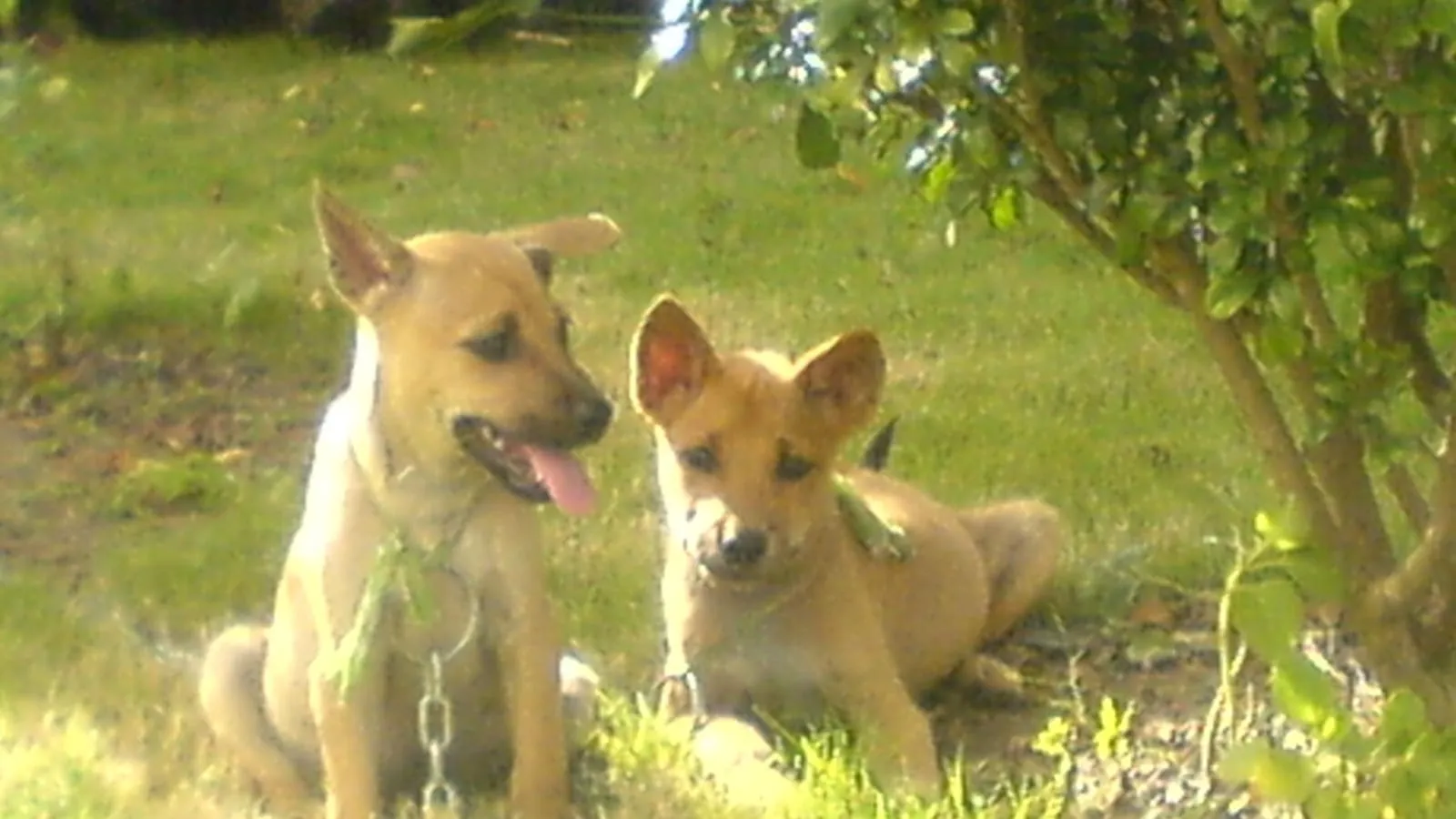
The Phu Quoc Ridgeback (chó xoáy Phú Quốc or simply chó Phú Quốc) is the island’s own dog: a lean, athletic hunting dog with a strip of hair growing the wrong way along its spine. It is one of the few dog breeds in the world with a ridge — the others are the Thai and Rhodesian Ridgebacks — and Vietnamese count it among the country’s four native breeds. You will see dogs that look like it all over the island, but purebreds are rare.
What it looks like
The Vietnam Kennel Association (VKA) published the breed standard in October 2023:
- The ridge. A band of hair that grows against the rest of the coat along the back. To meet the standard it must run for more than half the length of the back; a dog without one is disqualified.
- Size. Males 48–56 cm at the shoulder and 15–20 kg; females 46–52 cm and 12–18 kg.
- Coat and colour. Short and coarse, in black, fawn (yellow) or brindle — black stripes on fawn.
- The tongue. Spotted with black; an all-black tongue is especially prized.
- Character. Agile and tireless, not afraid of heights or water, good at climbing, jumping and digging; alert, but friendly with people.
Owners describe them as loyal, very energetic dogs that need space and exercise, and that do not always get on with other pets (The Straits Times, April 2026).
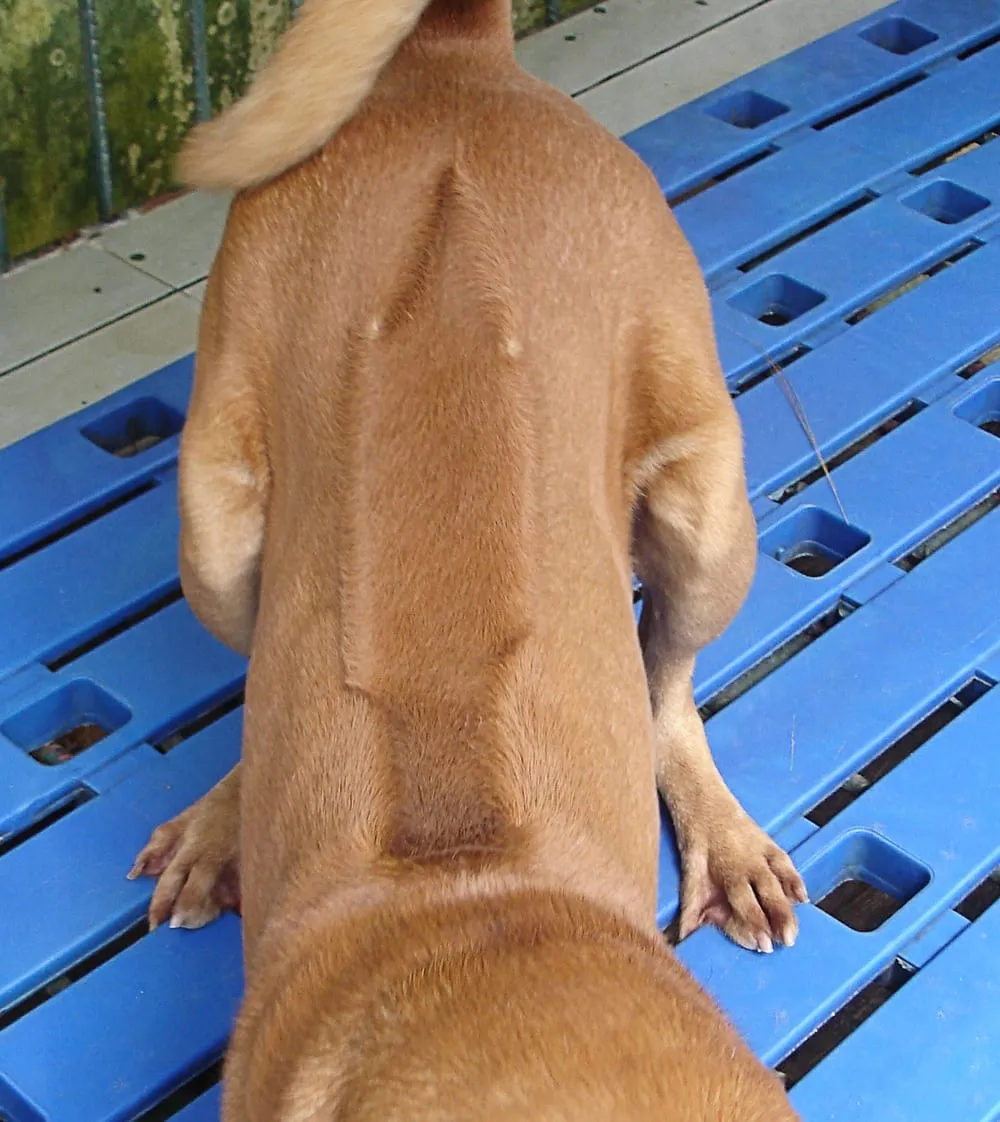 The ridge. Photo: Lưu Ly at Vietnamese Wikipedia, CC BY-SA 3.0, via Wikimedia Commons
History and recognition
Local legend says four Phu Quoc dogs protected Nguyen Anh, the future Emperor Gia Long, when he took refuge on the island in the 18th century. French officials sent dogs to Paris in the late 19th century, and two lived at the Jardin d’Acclimatation there. The breed came close to disappearing in the 20th century through war, crossbreeding and neglect, and has been rebuilt since the 1980s.
- Vietnam: recognised by the Vietnam Kennel Association, which issued standard No. 001/VN/04.10.2023. A 2017 VKA count found about 3,700 dogs, including village dogs; around 800 certified purebreds are registered.
- International: the breed is not recognised by the FCI, the world kennel federation, even provisionally (The Straits Times, April 2026). Two Phu Quoc dogs were shown at the World Dog Show in Paris in 2011 but could not compete for top awards. Some Vietnamese websites say otherwise; we found no evidence of FCI recognition.
What they cost
The Straits Times reported in April 2026 that an uncertified Phu Quoc puppy sells for 3–5 million dong, and a certified purebred puppy for more than US$1,000. Exceptional dogs have sold for far more. Because so many dogs are crossbred, ask for VKA papers and see the parents if you are buying.
Taking a dog home means a Vietnamese animal-quarantine certificate from the regional animal health office, plus whatever your country demands — usually a microchip, rabies vaccination and often a rabies antibody blood test. Start months ahead and check with your airline.
Visiting the Thanh Nga conservation centre
The best-known place to see the breed is the Thanh Nga Phu Quoc Ridgeback conservation centre (Trung tâm bảo tồn chó xoáy Phú Quốc trang trại Thanh Nga), founded around 2000 by breeder Le Quoc Tuan. It sits in forest at Suoi May, about 9 km (10 minutes) inland from Duong Dong or Long Beach (OSRM routing estimate), and Google Maps lists it as open 8:00–17:30 every day.
- Tickets: visitors in 2025 and 2026 paid 50,000 dong per person; dog treats and food are sold at the entrance. A guide shows you round, and the dogs demonstrate climbing and jumping.
- Numbers: the centre has had several hundred dogs; The Straits Times put it at more than 300 in April 2026.
- What reviewers say: the centre scores 4.5 on Google Maps, but recent reviews are divided. Some visitors found the dogs friendly, lively and well kept, and enjoyed the guide. Several in 2025 and 2026 were upset by dogs that looked thin or had skin problems, and by small cages, and many ask visitors to bring extra dog food. Go knowing that it is a working breeding farm rather than a polished attraction.
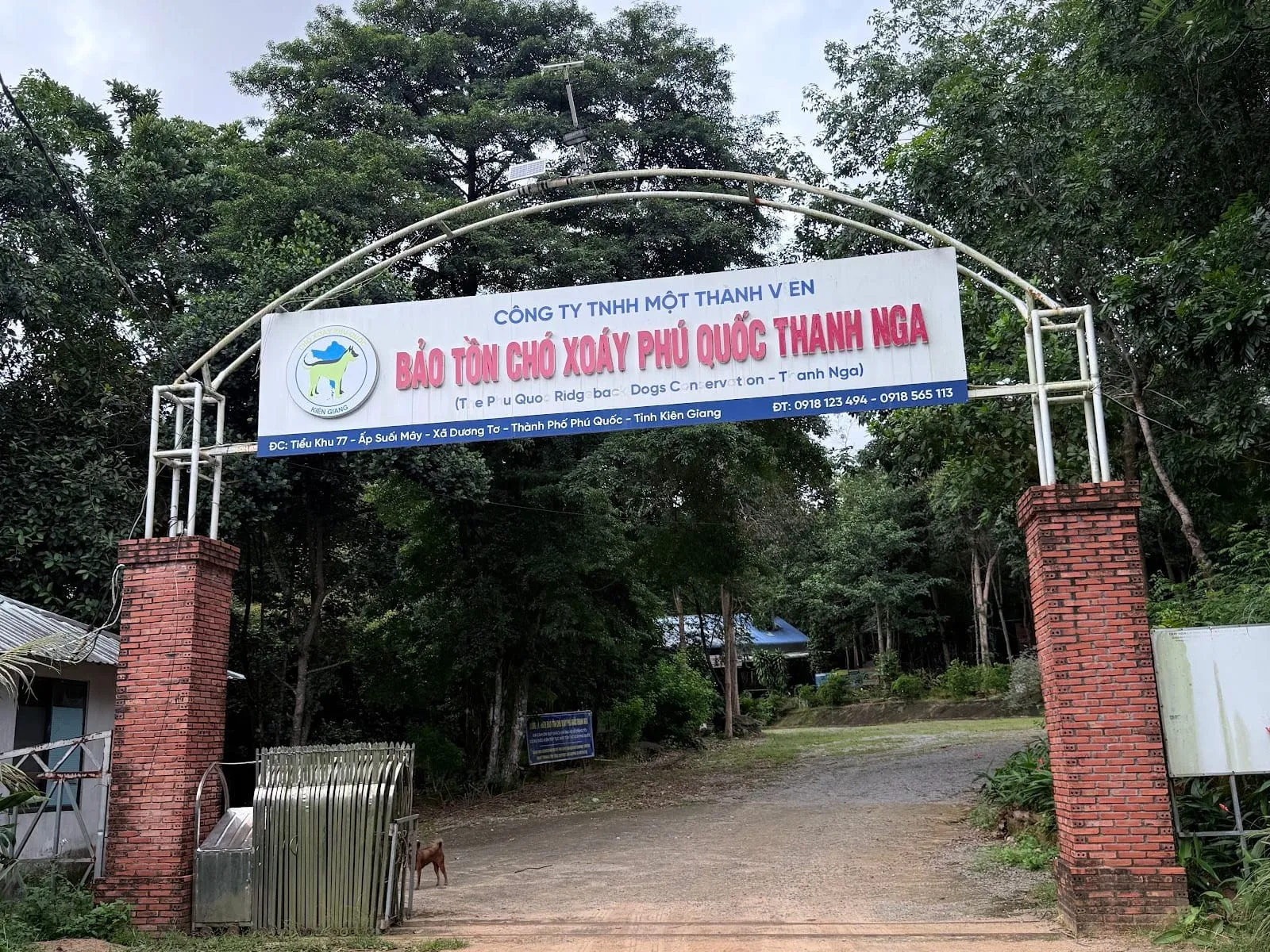 The entrance to the centre. Photo: Emay Nguyen, via Google Maps
Older guides advertise dog races on the centre’s track; ask at the entrance whether one is running when you visit.
For other animals on the island, see Vinpearl Safari and bird watching.
Ratings, opening hours and visitor comments: Google Maps, October 2026. Breed facts: see sources.
Map
Loads Google Maps when you tap. Or open in Google Maps.