Can Gio (Cần Giờ) is the wild southern edge of Ho Chi Minh City: a flat, watery peninsula of mangrove forest, salt pans, shrimp farms and fishing villages where the Saigon and Dong Nai rivers meet the sea, about 50 km south of the city centre. The mangroves are a UNESCO biosphere reserve, home to long-tailed macaques, crocodiles and a wartime guerrilla base. It is an easy day trip if you are passing through Ho Chi Minh City on the way to or from Phu Quoc — not a beach destination.
Until 1 July 2025 Can Gio was a district of Ho Chi Minh City; the area is now divided into four communes of the city (Binh Khanh, An Thoi Dong, Can Gio and Thanh An).
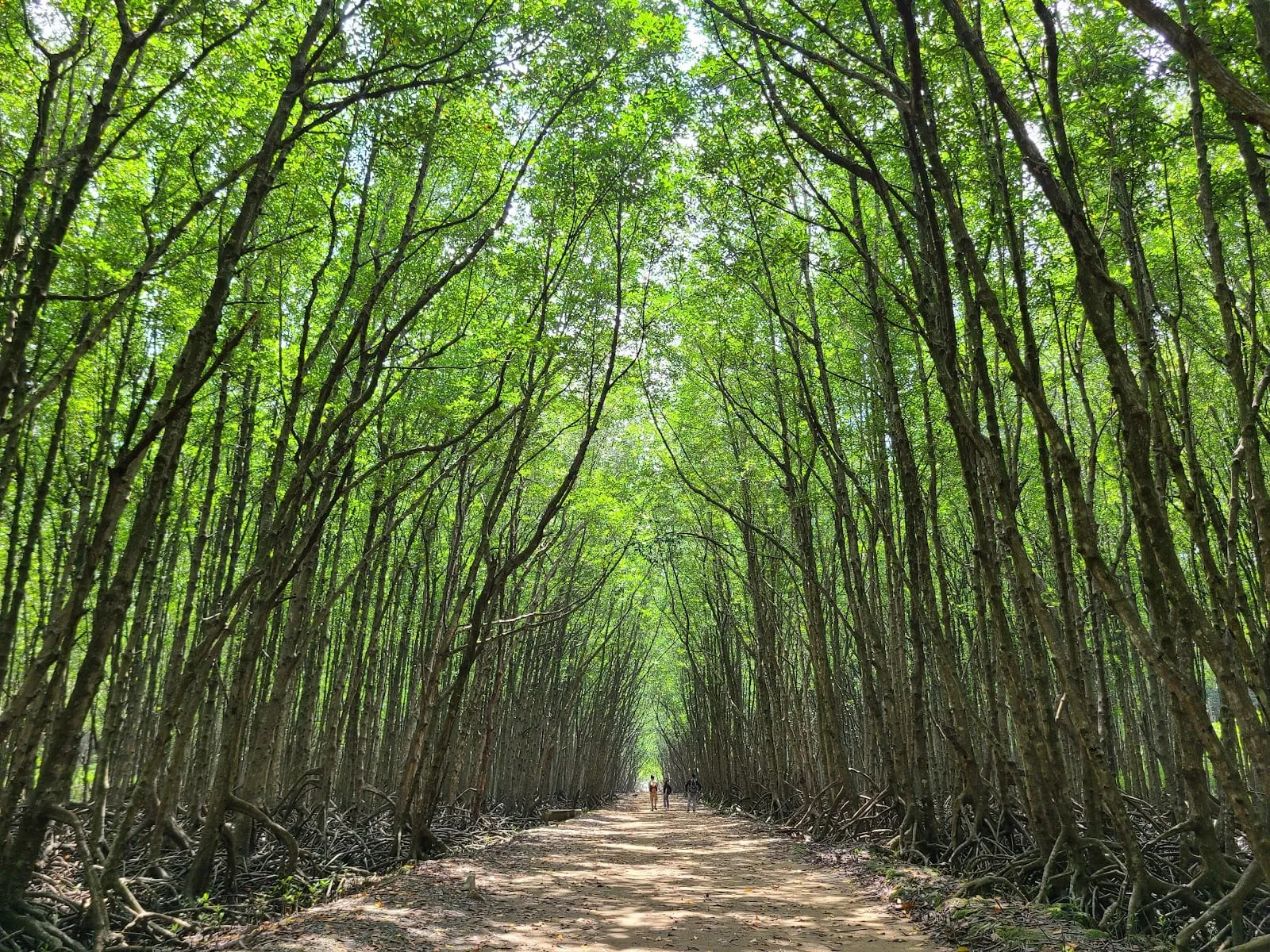
Monkey Island and the Rung Sac base
The main sight is the tourist area in the heart of the mangroves, where a 1.5 km walk through the forest leads past free-roaming macaques and a crocodile pond to the Rung Sac base (Căn cứ Rừng Sác), a reconstructed wartime guerrilla camp with huts, trenches and life-size figures. You can walk, or take a boat through the mangrove creeks.
- Ratings: the Monkey Island entrance is 4.1 on Google Maps from 3,102 reviews (open 7:30–16:30); the Rung Sac tourist area is 4.3 from 1,972 (7:00–17:00).
- Prices reported by visitors in 2026: entry about 35,000 dong per person (more for foreigners, according to some reviewers), and about 800,000 dong for a whole boat for the round trip.
- The monkeys steal. Every review says the same: rangers ask you not to carry food, drinks, hats, sunglasses or loose phones. Keep everything in a zipped bag.
- Mosquitoes come out towards sunset. Allow one to two hours.
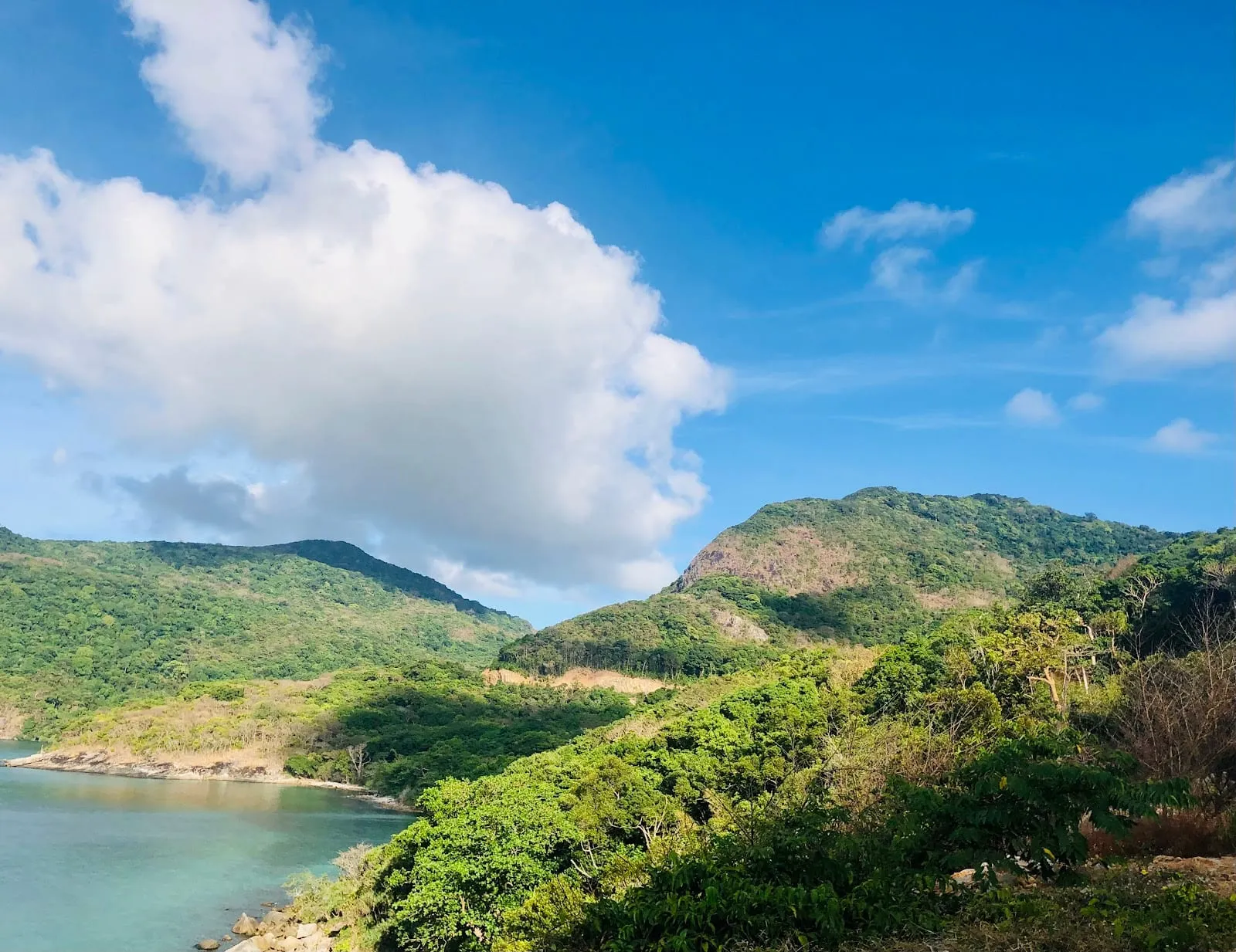
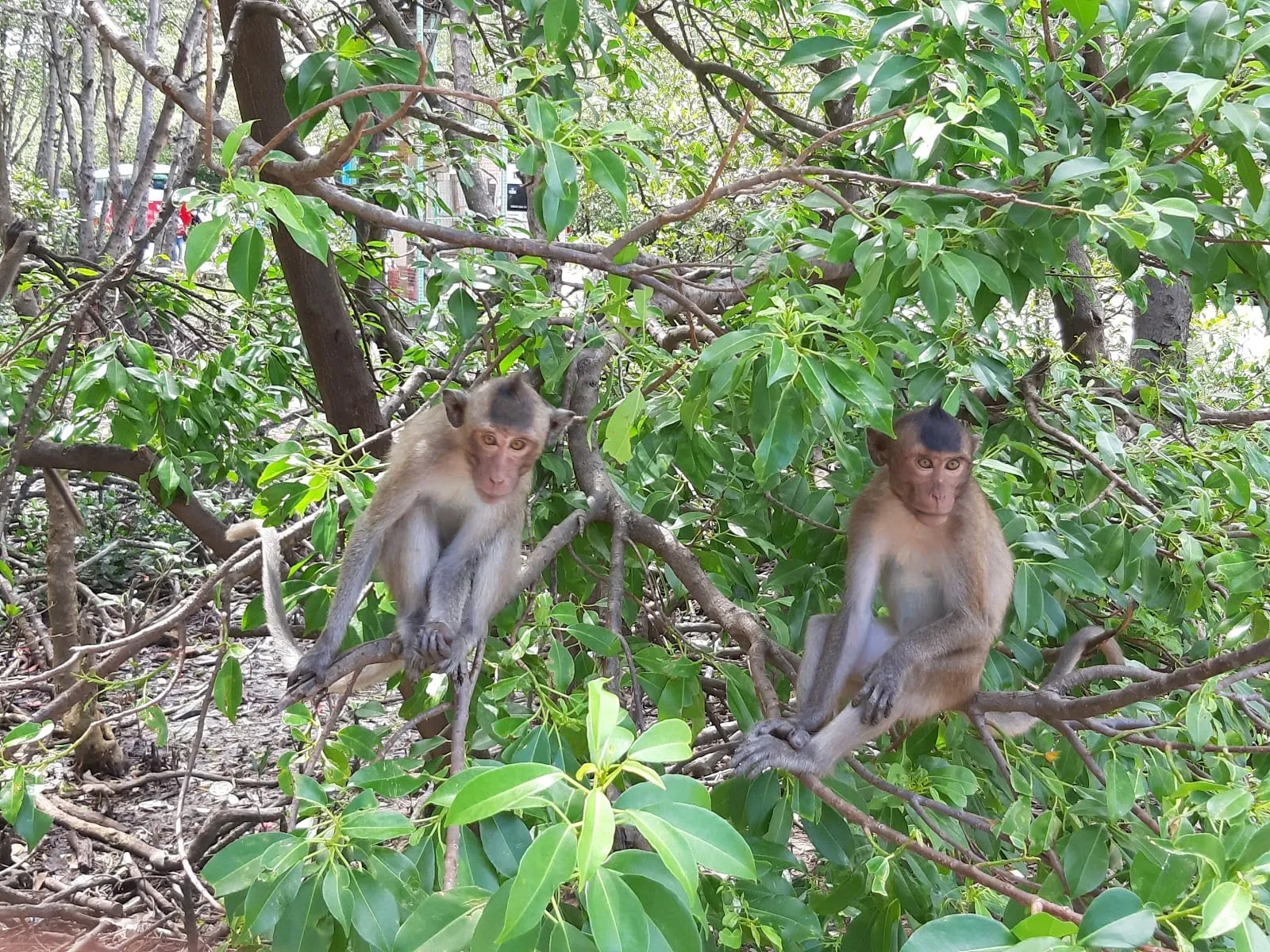 Photo: hoang son nguyen, via Google Maps
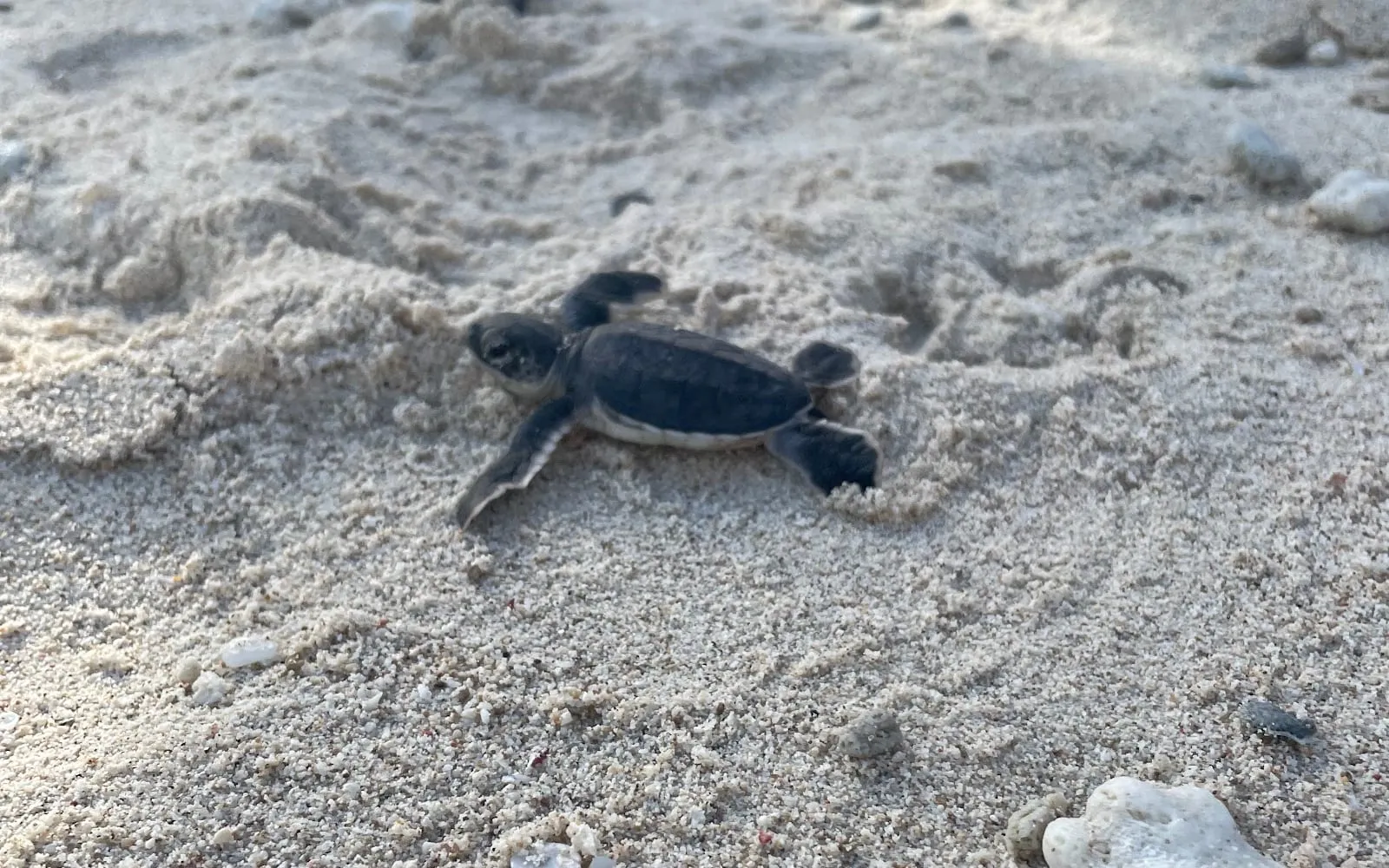
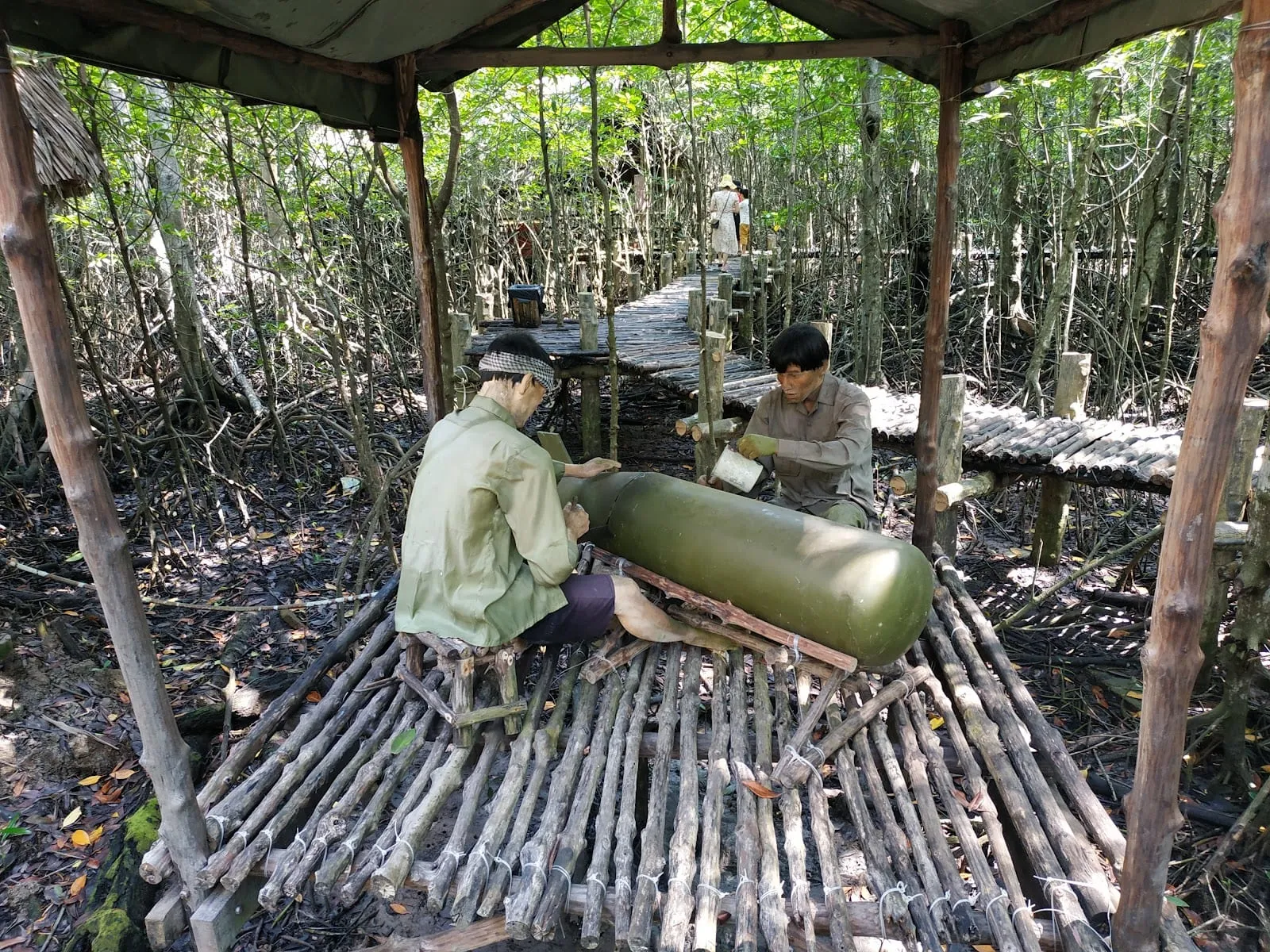 Photo: Đào Nguyễn Thị Anh, via Google Maps
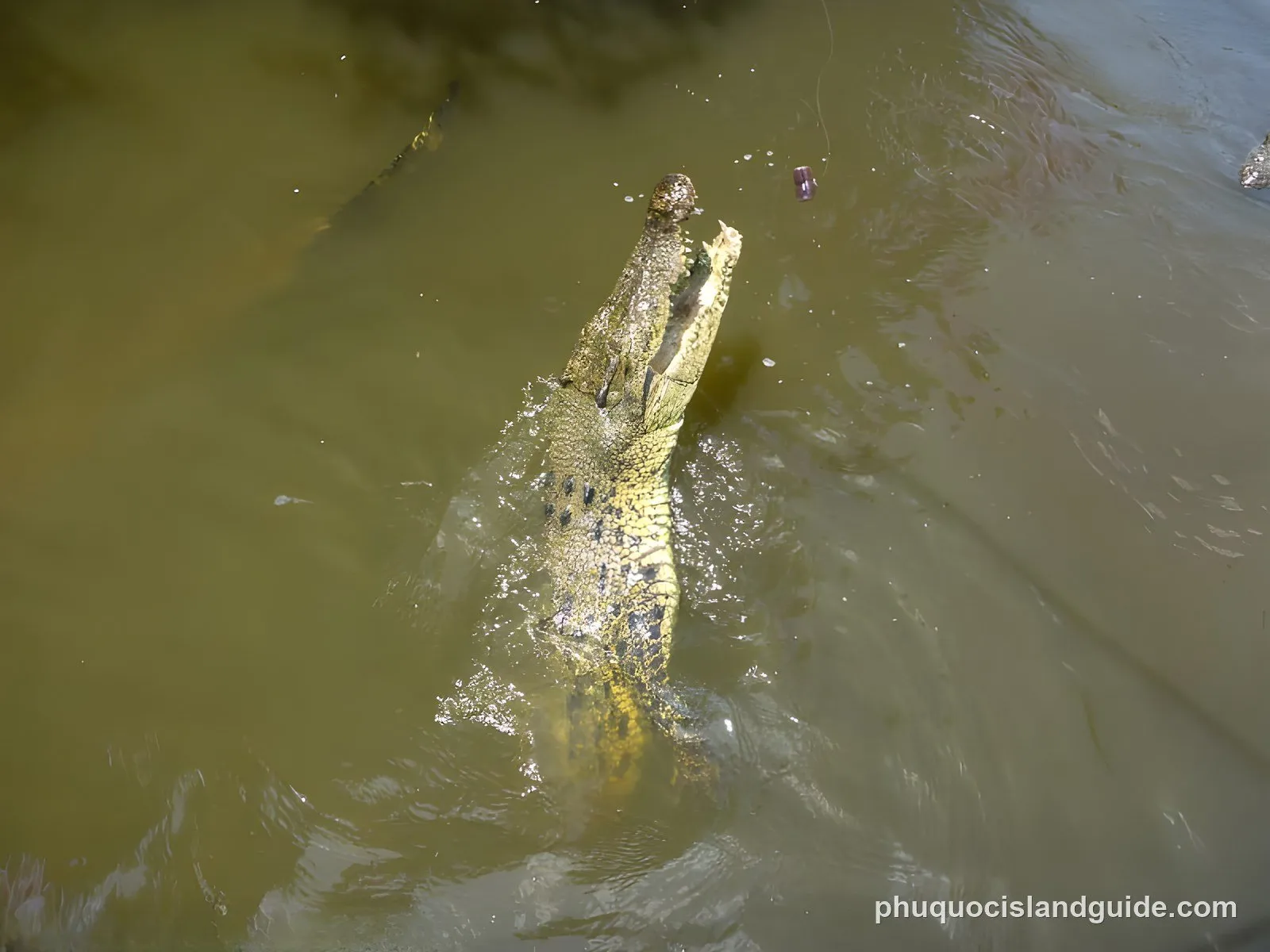
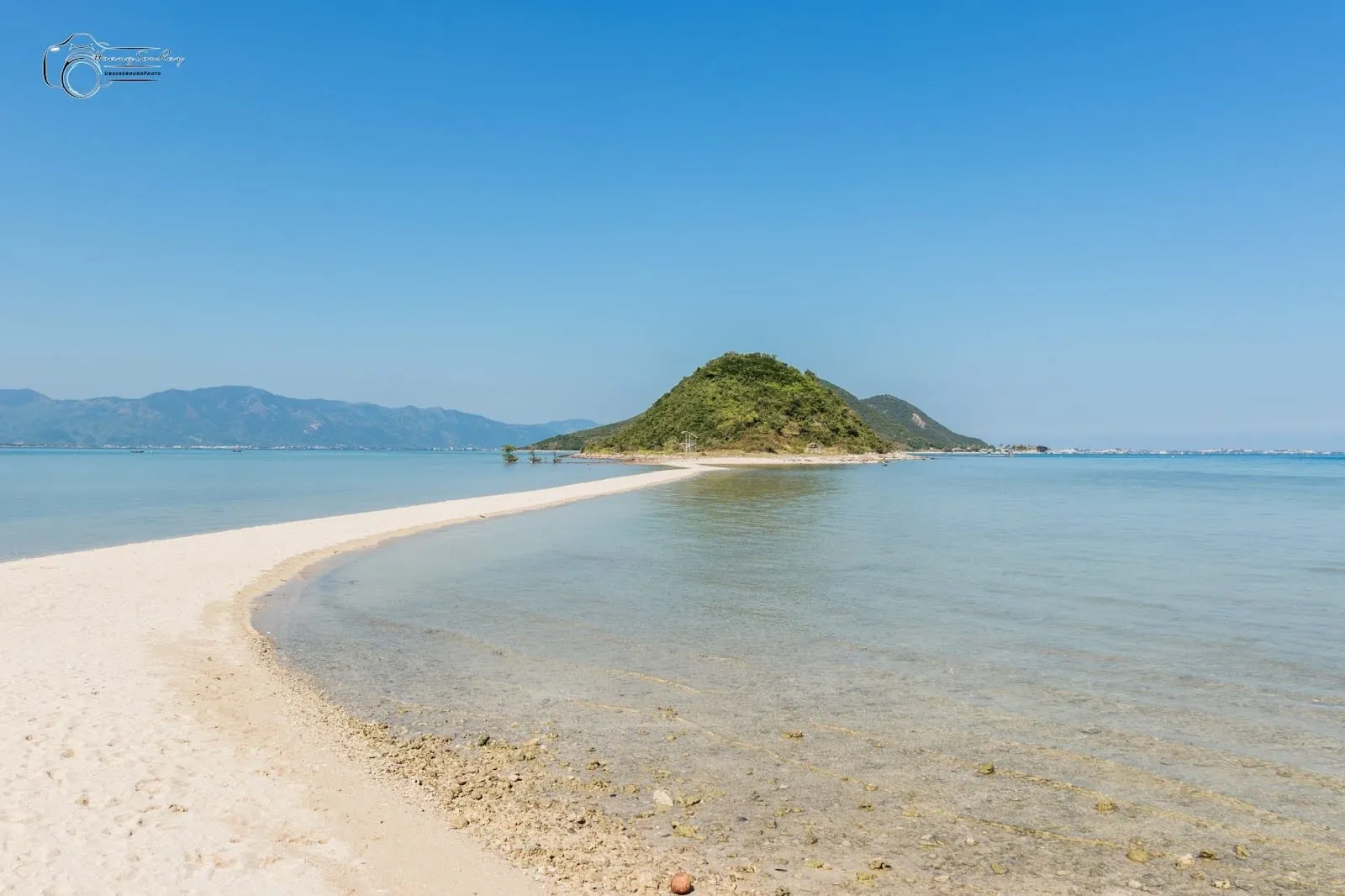
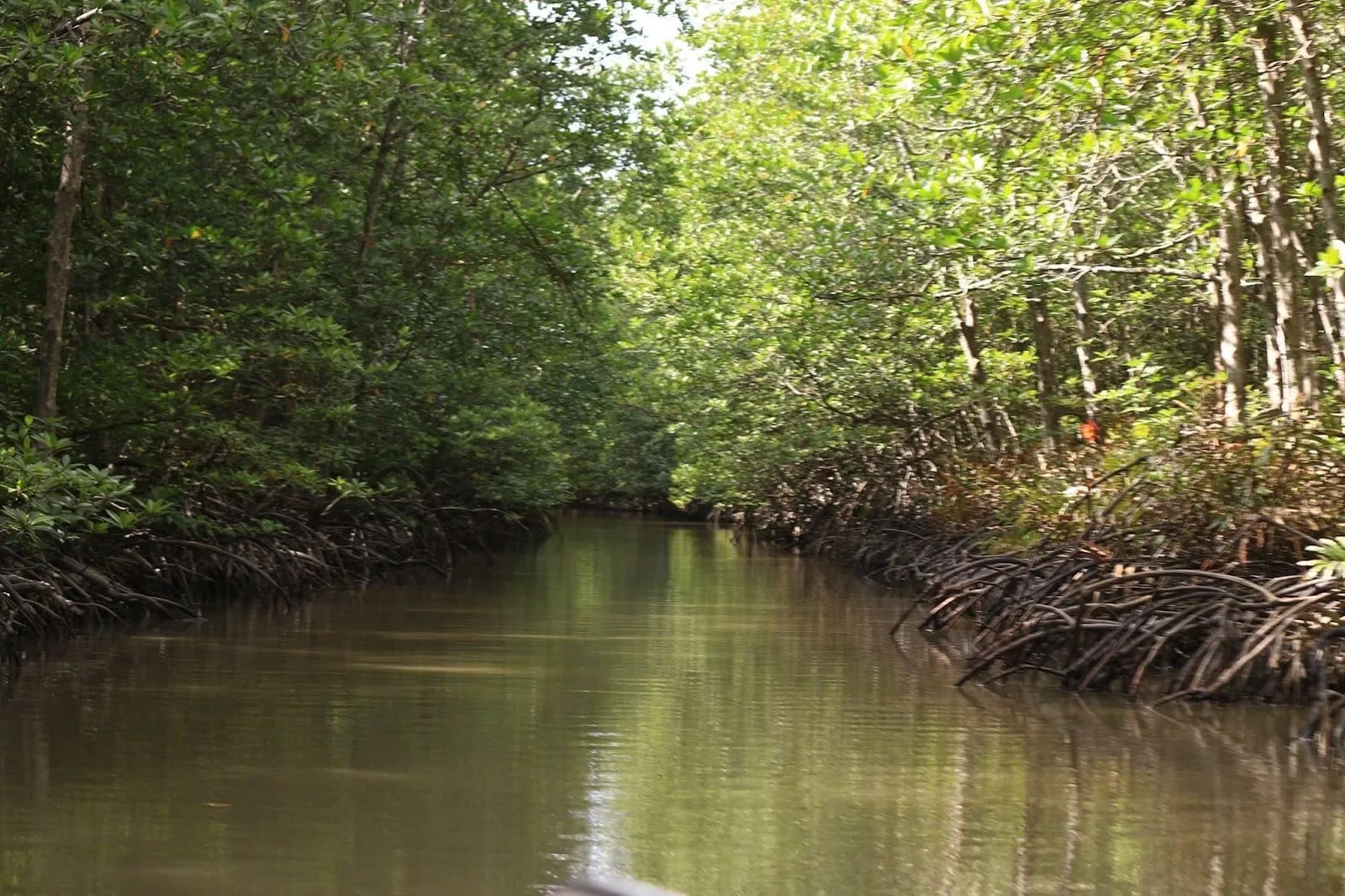 Photo: Thiện Phạm, via Google Maps
The beaches
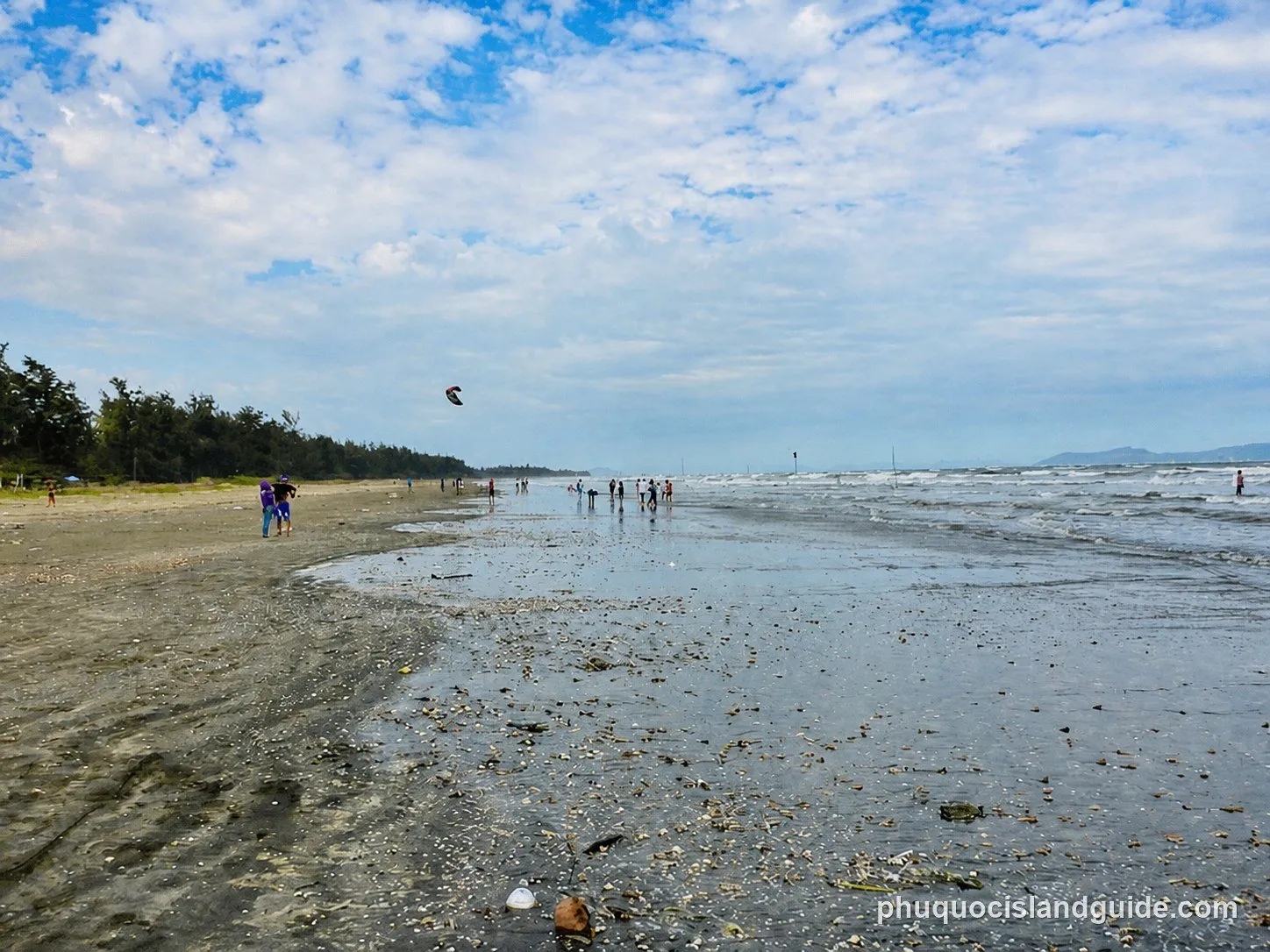
Can Gio’s beaches, around Can Thanh and Long Hoa on the south coast, have dark, muddy sand and shallow, murky water from the river mouths; on a clear day you can see the hills of Vung Tau across the bay. In 2025–2026 a large part of the main beach is closed for a land-reclamation project, and visitors report that only the seafront park is left for watching the sunrise. Come for the mangroves, not the swimming.
Eating
Seafood is cheap and fresh here: buy it at the market in Can Thanh and have it cooked at one of the eateries nearby, or eat at the beach cafés such as Pho Bien Cafe (4.0 from 596 reviews). Look for oysters from the local farms, crab, clams and dried shrimp.
Where to stay
Most people visit on a day trip from Ho Chi Minh City. If you stay:
- Chi-Bu Riverside (4.3 from 277) — a quiet riverside retreat in the north of Can Gio, about 40–60 minutes from the city, with paddle boards and motorbikes to borrow.
- Ruby Homestay (4.5 from 292) — wooden cabins and home cooking near the beach.
- Can Gio Resort (3.8 from 1,223) — an older resort with a big pool; dated, but central.
The Phuong Nam Pearl resort was listed as temporarily closed on Google Maps in October 2026. For families, the Golden Scorpion eco park (4.2 from 4,080) is a popular day-out spot from the city with water games, barbecues and ATV rides.
Getting there
- From Ho Chi Minh City by road: drive south through Nha Be and cross the river on the Binh Khanh ferry, then follow the main road through the mangroves to the coast — about two hours to Can Thanh. A bridge to replace the ferry is planned, with completion targeted for 2029. Many tour companies run day trips from the city.
- From Vung Tau: a car and passenger ferry has linked Vung Tau with Can Gio since 2021, a crossing of about 30 minutes, running from about 6:00 to 22:00. Check the current timetable at the port.
- From Phu Quoc: fly to Ho Chi Minh City (about an hour), then continue by road.
For another island trip on Vietnam’s coast, see Diep Son in Khanh Hoa’s Van Phong Bay.
Ratings, opening hours and visitor prices: Google Maps, 2025–2026.
Map
Loads Google Maps when you tap. Or open in Google Maps.